
The first capital of modern Greece — Venetian sea-walls, a long marble promenade, and three fortresses rising from the bay.
Photo: Allan Rohmer (via Unsplash).
Four hundred and fifty square metres on the Arcadian coast — where the mountain leans toward the sea, and the afternoon light lingers a little longer.
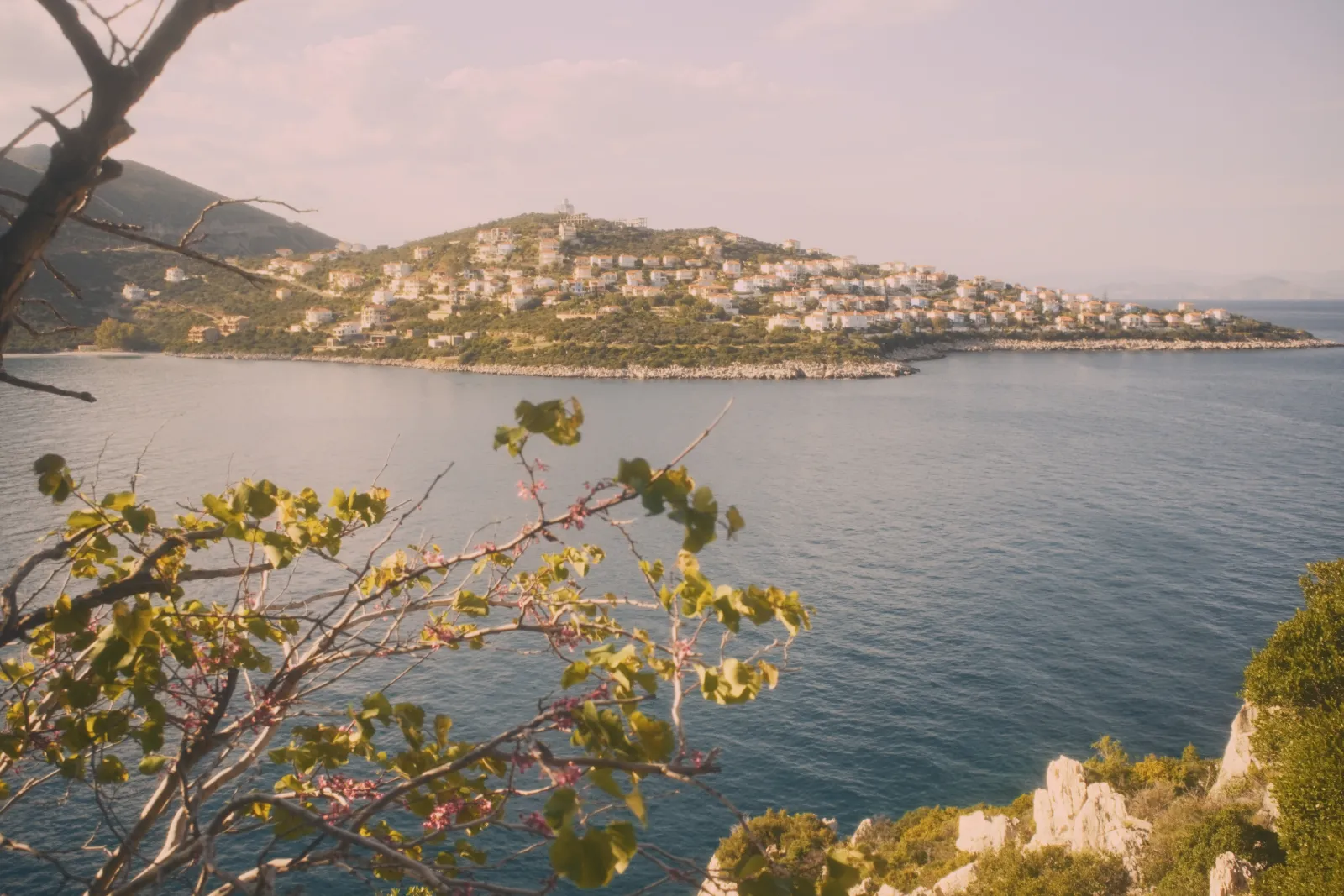
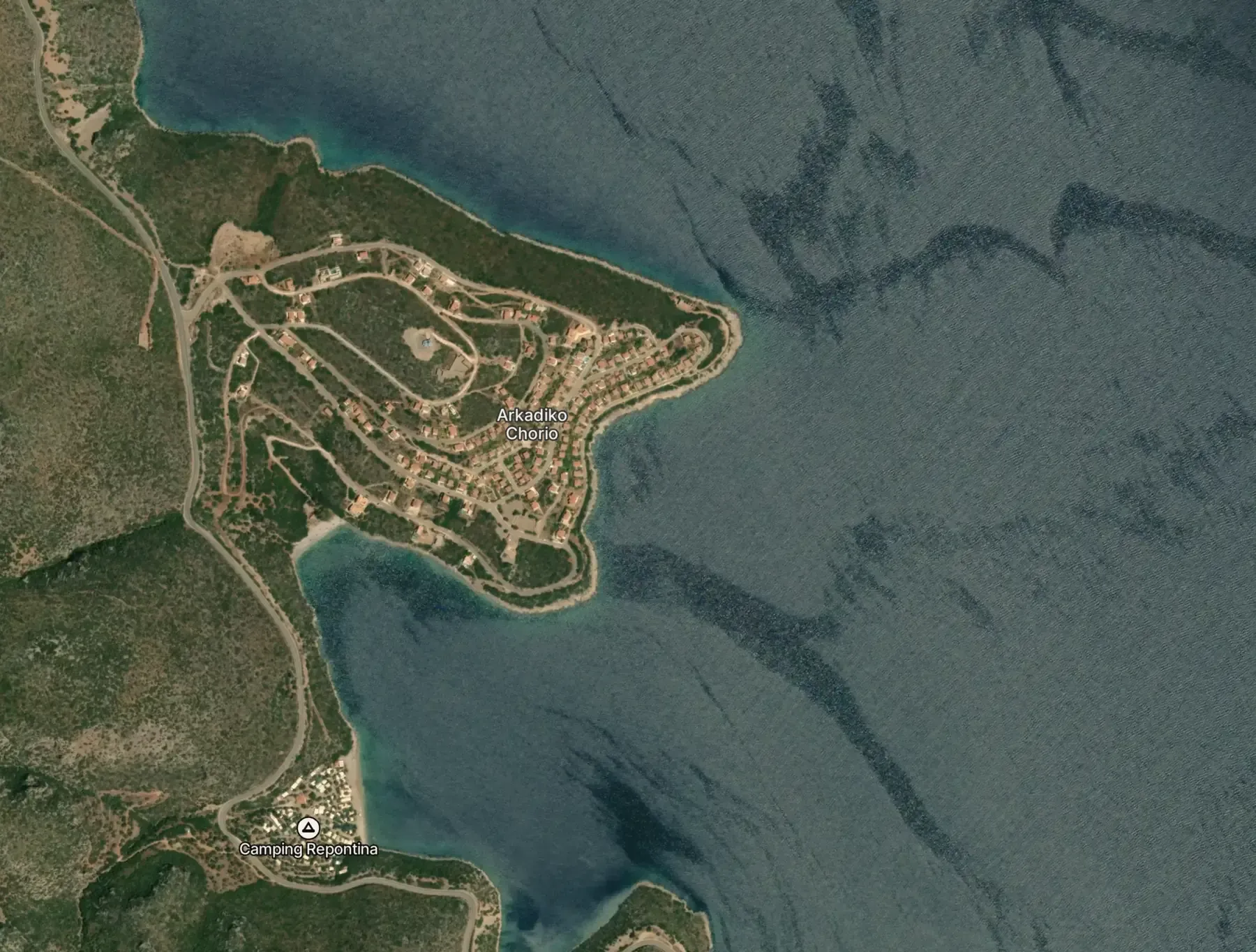
Arkadikó Chorió is a small seaside settlement on the eastern coast of the Peloponnese, just south of Ágios Andréas in North Kynouría — a quiet stretch of Arcadia where the Parnon mountains step down to meet the Myrtoan Sea.
The plot measures four hundred and fifty square metres. Level, walled, and oriented to the sea, it sits a short walk from the shoreline at Repontínia, with a settlement of barely a dozen permanent residents at its back.
It is offered to a single steward who will build with restraint — a small house, well-placed, that knows when to step aside for the view.
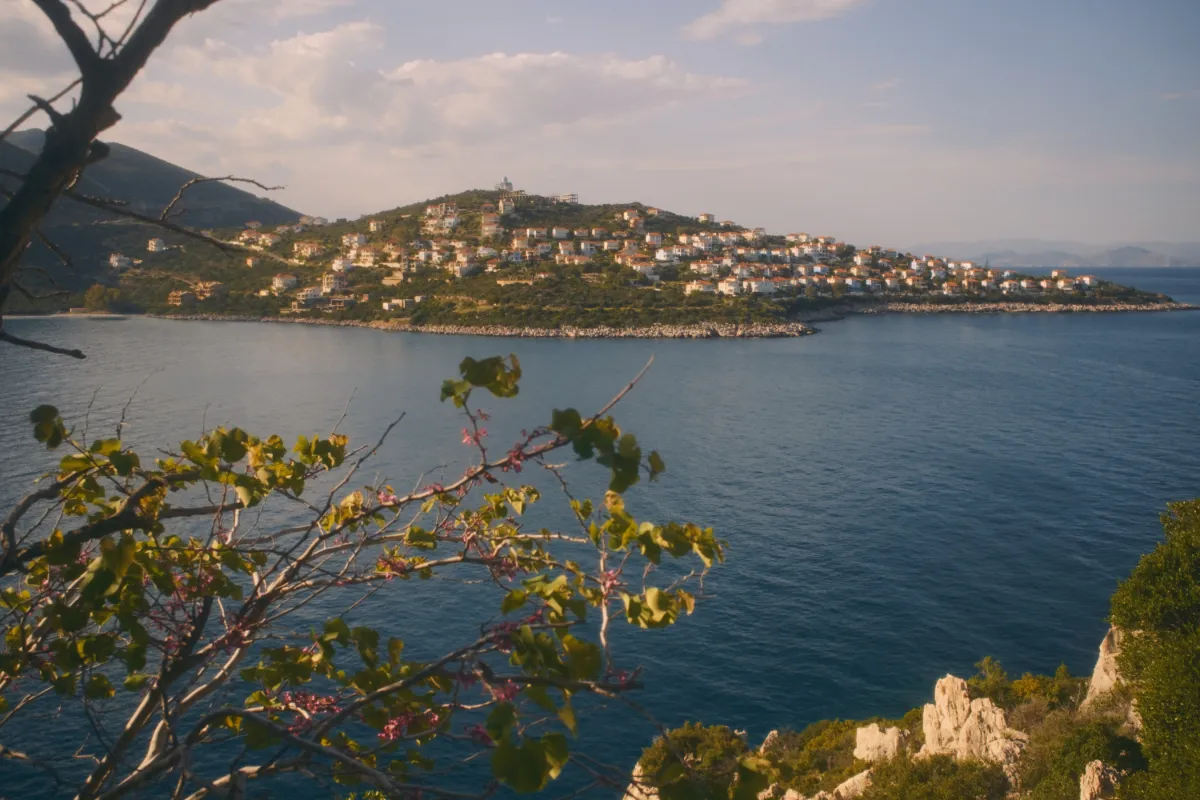
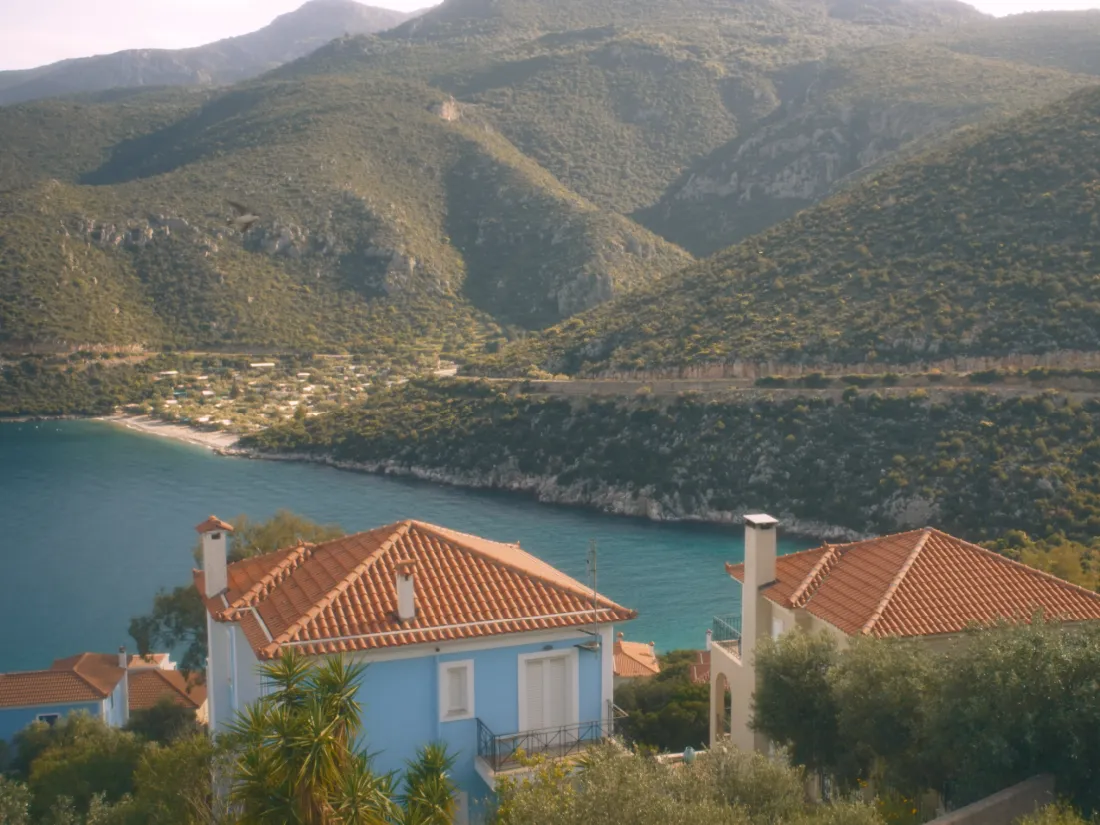
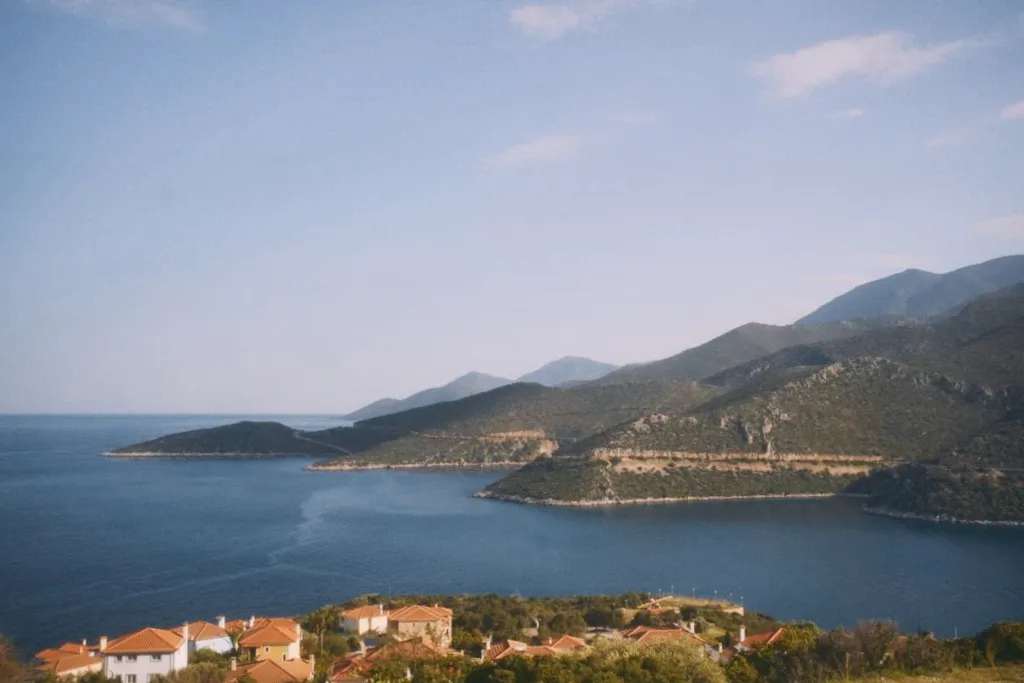
Mornings begin with coffee on the terrace, a kingfisher working the shoreline below. The air smells of thyme and cypress and, on certain days, the sea. By noon, shade gathers against the stone walls; by five, the light turns gold and the water darkens to bronze.
There is nothing to do, and everything to notice.
A small settlement of around thirteen permanent residents — founded in the 1980s by Arcadians returning to the coast, and kept small by intent.
Swimmable May through October. Green and quiet from November to April.
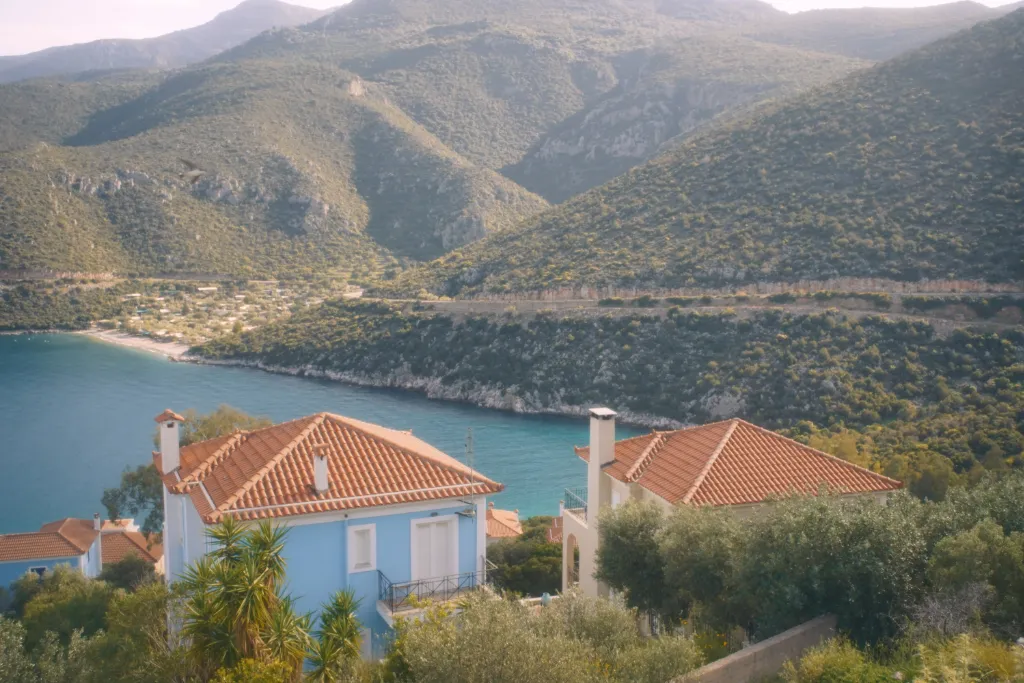
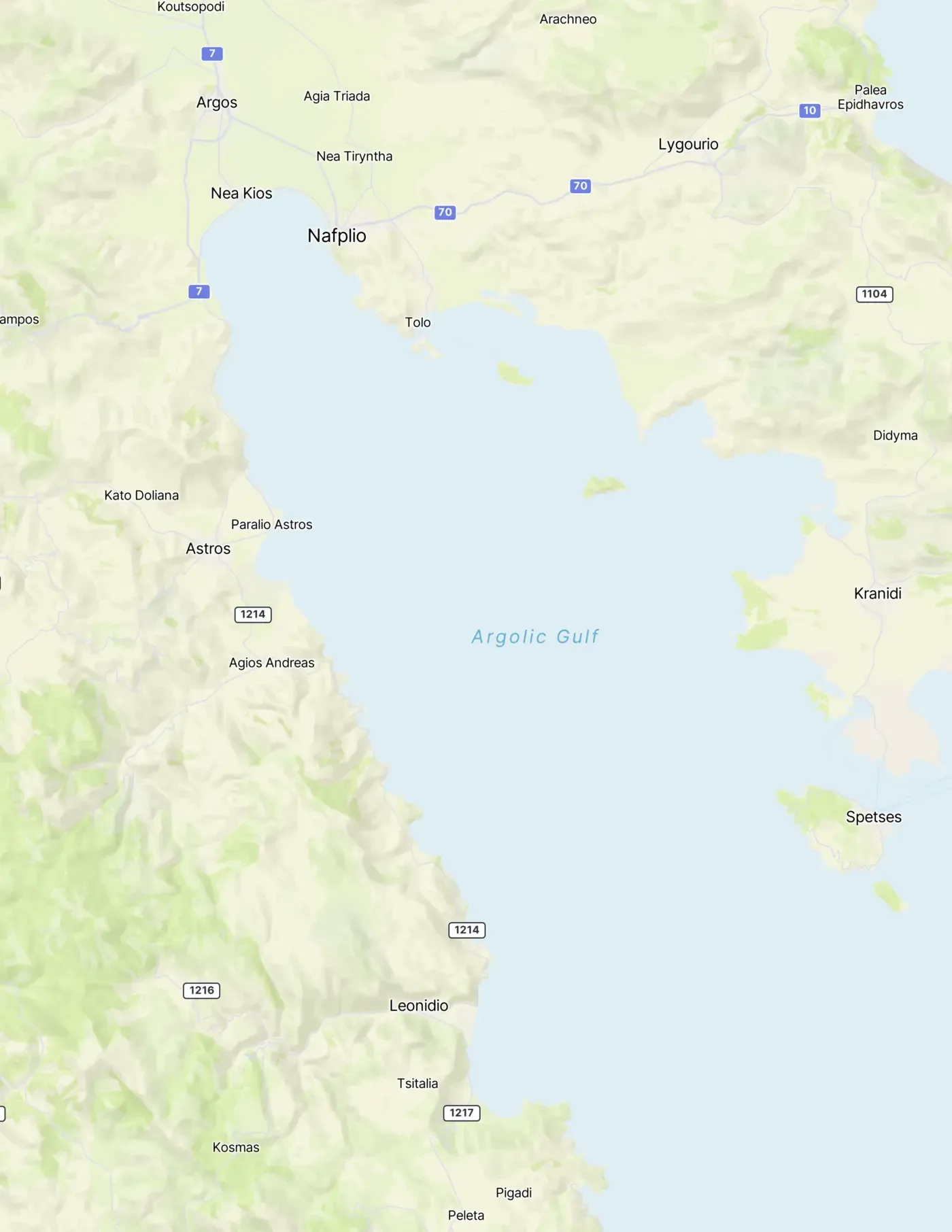
The plot lies on the eastern coast of the Peloponnese, in the regional unit of Arcadia (North Kynouría) — reached by the coastal road from Astros down to Tyrós and Leonídio. The shoreline is a short walk; the village of Ágios Andréas, with its harbour and tavernas, is five minutes by car.
The first capital of modern Greece — Venetian sea-walls, a long marble promenade, and three fortresses rising from the bay.
Photo: Allan Rohmer (via Unsplash).
The first capital of modern Greece — Venetian sea-walls, a long marble promenade, and three fortresses rising from the bay.
Photo: Allan Rohmer (via Unsplash).
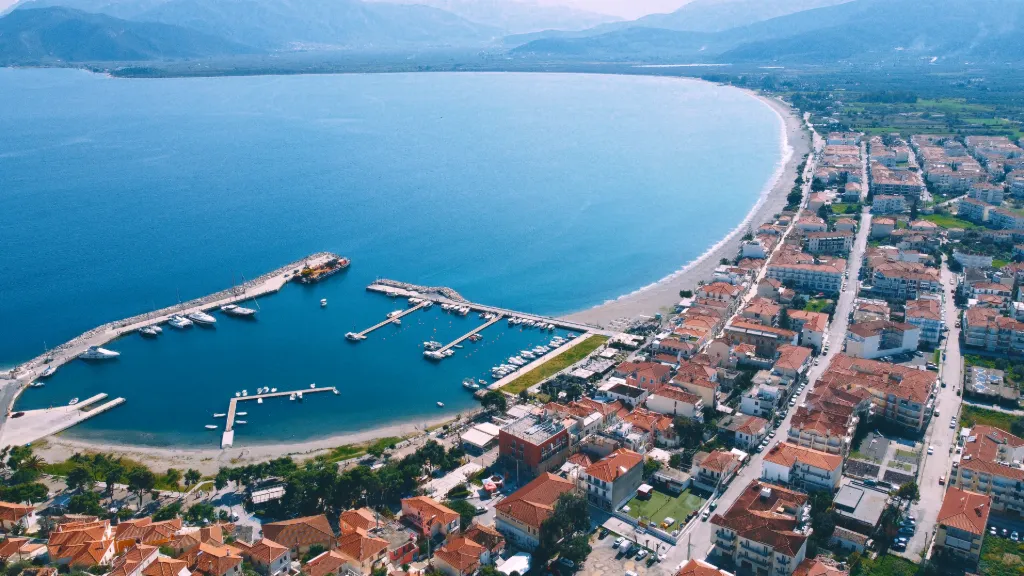
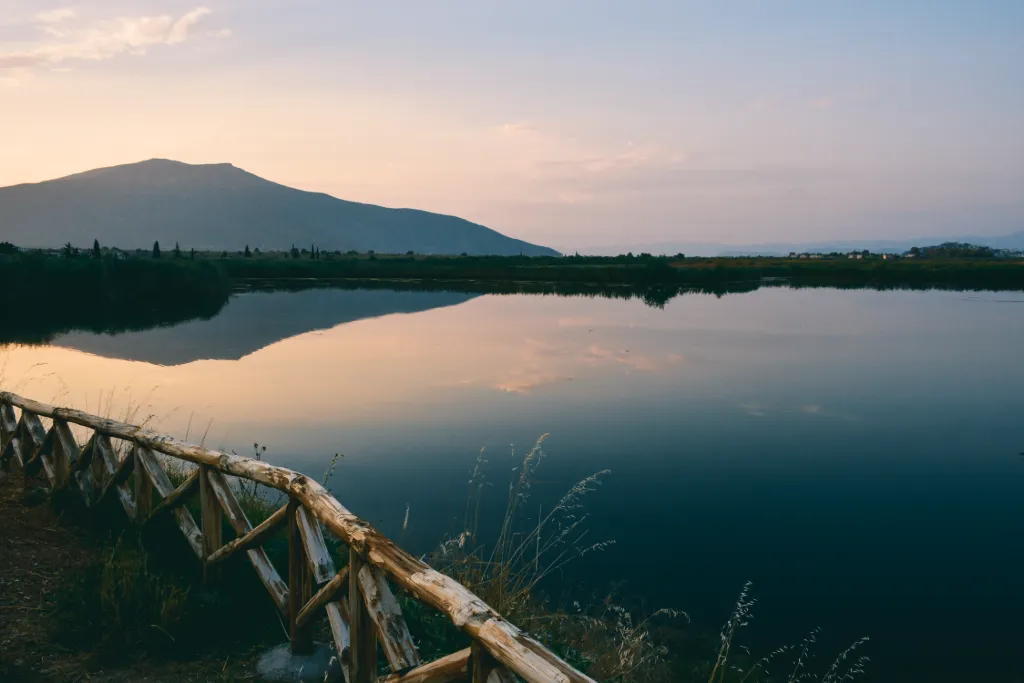
A protected lagoon of roughly 840 acres — broad still water, reed beds, and migratory birds held between the plain, the salt air, and the low Arcadian light.
Photo: Demiesk (via Wikipedia), CC BY 4.0, via Wikimedia Commons.

The ancient theatre of Polykleitos — still a working stage, still the most forgiving acoustics on earth.
Photo: El G (via Unsplash).
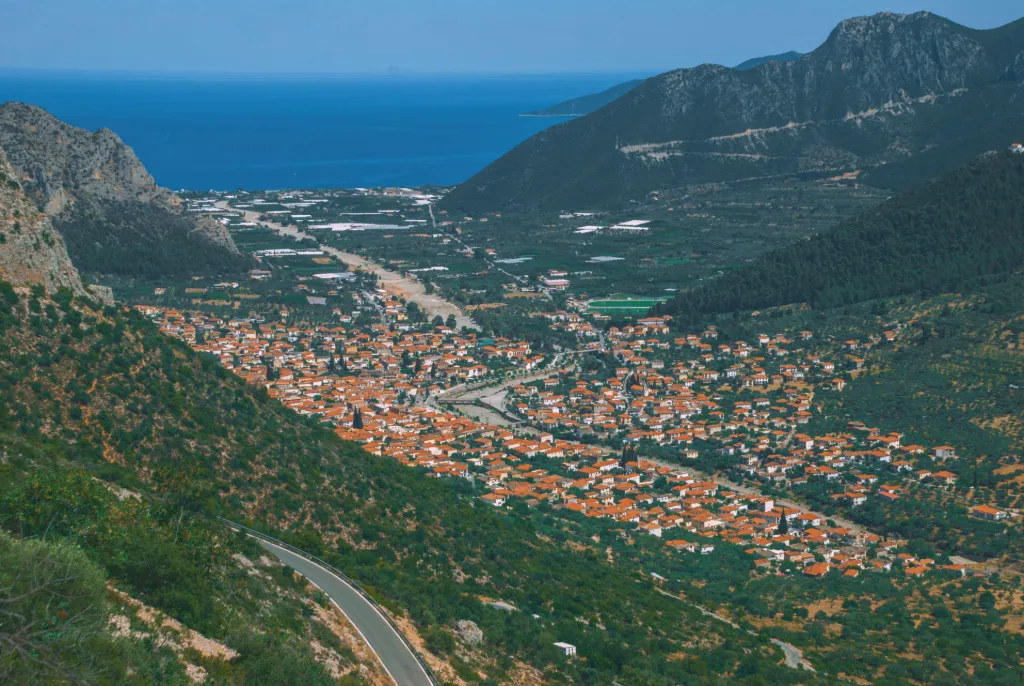
Tsakonian capital beneath cinnamon-red cliffs — a living dialect, aubergine fields, and the harbour of Plaka.
Photo: Natalia Mostova, CC BY-SA 4.0, via Wikimedia Commons.
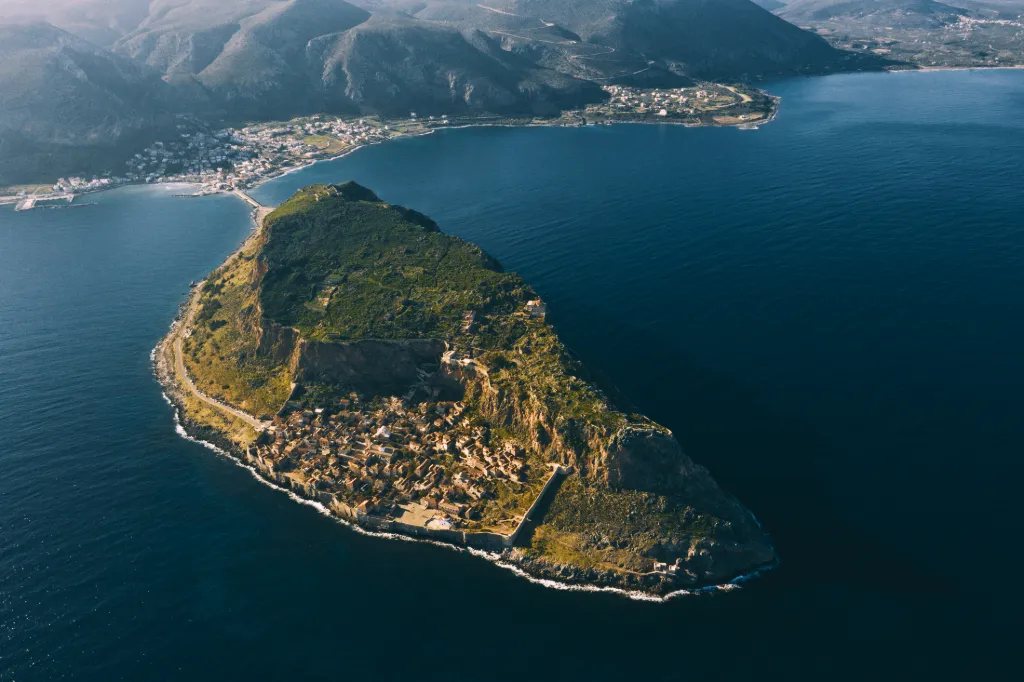
A Byzantine fortress-town clinging to a great tied island — stone lanes, vaulted churches, and the sea on three sides.
Photo: Katsikas pantelis, CC BY-SA 4.0, via Wikimedia Commons.
For viewings, documents, or first questions, contact Christofer Koeth on behalf of the owner. Viewings are by appointment; documents are available after first contact.
Please use email for the first contact.